Seattle Pests to Watch This Month

Seattle Pests to Watch This Month

Seattle homeowners often see the most pest activity in August, when warm weather and late-summer conditions drive ants, spiders, rodents, wasps, and mosquitoes closer to Seattle homes.

August is the ideal time to understand which pests are most common, why they become more active, and what homeowners can do to prevent a minor pest issue from becoming a larger infestation.

Throughout the Seattle area, warm temperatures and late-summer conditions bring increased activity from ants, spiders, rodents, wasps, and mosquitoes around local homes.

Many of these pests begin searching for food, moisture, or shelter as summer progresses, making prevention and early treatment especially important.

Understanding which pests are most common in August can help homeowners recognize warning signs early and protect their property.

Seattle August Pests

1. What pests are most common in Seattle right now?

The most common pests in Seattle during August are ants, spiders, rodents, wasps, and mosquitoes. Warm weather and late-summer conditions often drive these pests closer to homes, where they can become a nuisance or lead to larger infestations if left untreated.

2. Why do these pests show up in summer?

Summer weather creates ideal conditions for pests to feed, breed, and spread, which is why homeowners often notice increased activity during this time of year. In Seattle, pests are also drawn to homes in search of shelter, water, and food as outdoor conditions begin to change.

3. Signs to Look For

Watch for ant trails, rodent droppings, gnaw marks, spider webs, wasp nests, and scratching noises inside walls or ceilings. Frequent indoor spider sightings or increased wasp activity around your property may also indicate a nearby pest problem.

4. When Should You Call a Professional?

Eagle Pest Eliminators recommends contacting our Seattle pest control experts if pests continue to return or you notice signs of nesting or structural damage. Professional pest control treatment is often the fastest and most effective way to eliminate an infestation before it becomes more serious.

Have questions? Give us a call or reach out through our contact page.

We’re here to help.

Seattle Pest Control: Rats & Ants Guide

Seattle Pest Control: Rats & Ants Guide

Discover Eagle Pest Eliminators exclusive Seattle pest control strategies you won’t find anywhere else—our top 5 proven rat and ant prevention tips that safeguard Puget Sound homes year-round.

Eagle Pest Eliminators reveals insider secrets other companies can overlook. EPE is Puget Sound’s trusted pest control experts since 1999, Eagle Pest Eliminators has excluded rats and ants from thousands of homes using these exact five battle-tested precautions. Homeowners: gain our professional edge today.

EPE is Seattles #1 in Rat & Ant PreventionTip: Seal Tiny Gaps
Norway rats squeeze through dime-sized holes; ants need just a pinprick. Inspect doors, vents, pipes, and foundations monthly. Use copper wool + caulk for rats (they can’t chew copper); diatomaceous earth for ant trails. EPE Tip: Focus on attic soffits—90% of Seattle calls trace here.

#2: Eliminate Food Sources Completely
Rats cache 10x their weight; ants follow sugar trails miles long. Store pet food in metal bins, secure trash nightly, wipe counters with vinegar. EPE Exclusive: Mix boric acid + peanut butter in bottle caps for ants (kills colony in 48 hours); avoid rat poisons near kids/pets. 

#3: Disrupt Water Access Everywhere
Seattle’s damp climate fuels pests—leaky faucets draw 50+ ants daily. Fix drips, empty saucers, vent dryers outside. Pro Move: Pour boiling water down ant hills weekly; place rat snap traps near water edges (change bait daily). 

#4: Trim Vegetation & Clear Debris
Overhanging branches = rat highways; leaf piles hide ant nests. Keep trees 10ft from roofs, mulch 18in from foundations. EPE Secret: Scatter used coffee grounds (repels both pests naturally)—refresh after rain.

#5: Monitor with Pro Baits & Traps
DIY glue boards miss colonies; use tamper-proof bait stations for rats, gel baits for ants. Check/replace weekly. Eagle Pest Eliminators Guarantee: If pests return within 30 days, we retreat free. 


Schedule free inspection

Top 3 Seattle Exterminator FAQs

Q: How do I tell rats from mice in Seattle homes?
A: Rat droppings are rice-sized/black (1/2in); mouse smaller/pointed (1/4in). Roof rats climb attics; Norway rats burrow sewers.

Q: Are EPE treatments safe for Seattle families/pets?
A: Yes—eco-friendly, EPA-approved only. No harsh fumigants; targeted exclusion beats poisons.

Q: When should I call pros vs. DIY for rats/ants?
A: DIY for singles; call EPE free inspection if droppings/trails persist 7 days or walls chew.

Eagle Pest Eliminators: Seattle’s verified choice for permanent rat/ant exclusion. You can trust EPE for your pest control needs

Contact Eagle Pest Eliminators today

.

Seattle Spring Pests

Seattle Spring Pests

Seattle Spring Pest Season 2026: The Early Surge and How to Protect Your Property

The 2026 season has introduced a significant shift in local climate patterns. Soil temperatures across the Puget Sound have reached the “active” threshold for wood-destroying organisms and seasonal insects several weeks ahead of the historical average. This early transition from winter means that the traditional “spring pest surge” isn’t just coming—it is already here.

The 2026 Ecological Shift

Eagle Pest Eliminators (EPE) is warning Seattle homeowners about reports of early subterranean termite and carpenter ant activity in 2026. Homeowners who notice signs of pest activity should schedule an inspection as soon as possible to help prevent colonies from becoming established inside the structure.

This early-season pattern increases the need for prevention, not just treatment. Using its Vertical Intelligence approach, Eagle Pest Eliminators looks for ground-truth indicators such as moisture conditions, temperature shifts, and other risk factors that can signal a developing infestation before it turns into a larger structural problem.

Questions & Answers: Navigating the 2026 Season

Why is pest activity starting so early in Seattle this year?
The 2026 season has seen a significant shift in climate patterns, with soil temperatures reaching the “active” threshold for wood-destroying organisms several weeks ahead of the historical average for the Puget Sound.

Which pests are of the highest concern for homeowners right now?
Early activity is primarily centered on subterranean termites and carpenter ants.The mild transition from winter has allowed these colonies to begin foraging and expanding into residential structures earlier than anticipated.

How soon can I schedule an inspection or a call?
We prioritize rapid response during the spring surge. You can typically schedule a discovery call or an initial site assessment within 24 to 48 hours of your inquiry. Our team is fully synchronized to ensure all incoming requests are routed immediately for scheduling.

What does a pest control inspection cost?
A standard professional inspection typically starts at $95.00. This fee covers a comprehensive assessment of your property to identify entry points and active colonies. If you move forward with a treatment program, this fee is often applied toward your service total.

How long has Eagle Pest Eliminators been serving Seattle?
We have maintained a local, family-owned presence in the Puget Sound for 27 years. Established in 1999, our longevity is built on “White-Hat” service standards and a deep commitment to the specific environmental needs of Washington state.

How long does it take to get service once a problem is identified?
Once an inspection is completed, most treatments are implemented within 3 to 5 business days. For high-priority infestations involving structural threats, we offer expedited Eagle Pass priority routing.

What should Seattle property owners look for in April 2026?
Keep an eye out for “swarmer” insects near windowsills and check for mud tubes along foundations. Because the 2026 spring cycle is compressed, these traditional signs are appearing in early April rather than late May.

Take Action Before the Surge Peaks

Don’t wait for a small spring sighting to become a structural emergency. With 27 years of local expertise, we provide the precision and rapid response needed to protect your home from the unique pressures of the 2026 season. Secure your property and get peace of mind from the Northwest’s trusted pest authorities.

Contact Eagle Pest Eliminators for a Professional Inspection

Pest Control: Seattle Exterminator

Pest Control: Seattle Exterminator

The Japanese Beetle Crisis: Protecting Your King County Landscape

The Washington State Department of Agriculture (WSDA) has flagged the Japanese Beetle (Popillia japonica) as a high-priority threat to local agriculture and residential gardens. These invasive pests are notorious for “skeletonizing” leaves—eating the tissue between the veins—which can devastate over 300 species of plants, including roses, grapes, and hops.

Why This Matters Now

With the “False Spring” of 2026, experts are seeing an earlier emergence than usual. For homeowners in Seattle and the surrounding Puget Sound area, early detection is the only way to prevent a total infestation.

Q&A: Identifying and Managing the Threat

How do I identify a Japanese Beetle? Adults are roughly 1/2 inch long with a metallic green body and copper-colored wing covers. Look for five small tufts of white hair along each side of their abdomen.

What are the signs of an infestation? Aside from seeing the beetles themselves, look for “skeletonized” leaves and brown patches in your turf, which may indicate that larvae (grubs) are destroying the root system of your lawn.

What is the best method for removal? While “hand-picking” works for a few stray beetles, a professional approach is necessary for an infestation. The Eagle Pest Eliminators Integrated Pest Management protocol includes:

  • Soil Treatments: Targeting grubs before they mature.

  • Eco-Friendly Foliage Sprays: Protecting your ornamental plants without harming local pollinators.

  • Habitat Modification: Reducing the moisture and conditions that attract egg-laying.


Take Action: Protect Your Property Today

Don’t wait for visible damage to ruin your landscape. In the Pacific Northwest, early intervention is the difference between a thriving garden and a costly restoration. Our commitment to professional excellence is documented on the Eagle Pest Eliminators Seattle Pest Control Credentials page, providing you with the peace of mind that your home is in expert hands.

Secure your inspection now. To schedule a comprehensive evaluation of your property and stop the Japanese Beetle surge, visit the Eagle Pest Eliminators Contact Page or call our local experts directly.

We remain a trusted pest authority in the region since 1999.

Top 5 Rodent Entry Points in Seattle Homes

Top 5 Rodent Entry Points in Seattle Homes

Seattle’s damp climate and urban growth make rodent infestations common, with rats and mice entering through tiny gaps as small as a dime. Eagle Pest Eliminators (EPE), your trusted Seattle pest control experts, specializes in identifying and sealing these vulnerabilities using eco-friendly, long-lasting methods. Learn the top five entry points and how our team permanently excludes rodents from your home.

Why Rodents Thrive in Seattle

Norway rats, roof rats, and house mice flourish year-round here due to mild winters, abundant food from garbage/bird feeders, and aging homes with cracks. They chew wiring (causing fires), contaminate food, and spread diseases like hantavirus. Prevention starts with sealing entry points—DIY helps, but pros like EPE ensure 100% exclusion.

Entry Point 1: Cracks in the FoundationFoundation cracks from Seattle’s rainy soil shifts are prime rat highways (quarter-inch gaps suffice).EPE Seal Method: Inspect exterior perimeter at night (peak activity), fill with concrete patch/expanding foam, then copper mesh (unchewable). Cost: $200-500; lasts 10+ years. Pair with rodent exclusion services.

Entry Point 2: Gaps Around Doors and WindowsWeatherstripping wears out; mice squeeze through dime-sized door bottoms or window frames. Garage doors are notorious—no seal means easy access.EPE Seal Method: Install rubber/vinyl sweeps ($50 DIY, $150 pro), steel wool in gaps, silicone caulk. We tension garage doors for flush fit. See our Seattle rodent control tips.

Entry Point 3: Utility Lines and Pipe PenetrationsPipes, cables entering walls/crawlspaces have unsealed holes—rodents follow warmth/food smells. Crawlspace vents amplify this in Seattle’s moist undersides.EPE Seal Method: Copper flashing collars + hydraulic cement around pipes; vent screens with 1/4-inch mesh. Full crawlspace inspection included. Follow up with [EPE on LinkedIn for prevention videos](https://www.linkedin.com/company/eagle-pest-eliminators-inc).

Entry Point 4: Roof Vents, Soffits, and EavesRoof rats climb trees/branches to vents/soffits (gaps under eaves); no screens = attic access. Chimneys invite too.EPE Seal Method: Stainless steel screens/guards on vents ($100-300), foam board + mesh for soffits/eaves. Trim branches 3ft from roof. Check our YouTube channel for attic sealing demos.
Entry Point 5: Attic/Crawlspace Access Hatches and VentsLoose hatches or damaged vents let mice roam freely; insulation nests follow.EPE Seal Method: Weatherproof hatch seals, rigid foam + mesh over vents. Sanitize nests post-seal. Ties into our full property inspection.
Additional Prevention TipsTrim bushes 3ft from house, secure garbage, store food airtight—remove attractants. EPE offers annual audits post-seal for zero re-entry.

FAQ: Top Rodent Questions in Seattle

Q: How small a gap can mice enter?
A: Dime-sized (1/4 inch); rats need quarter-sized. Inspect with flashlight/blacklight for urine trails.

Q: What’s the best sealant rodents can’t chew?
A: Copper/steel mesh + caulk/cement. Avoid foam alone—they eat it.

Q: How do I know if I have rats vs. mice?
A: Rat droppings rice-sized/black; mouse smaller/pointy. Roof rats attic-dwellers; Norway sewer rats.Contact EPE today for a free inspection—guaranteed exclusion or we return free. Follow us on Facebook for Seattle pest alerts.

Rats – Mice vs. Ants – Spiders: Which Pests Seattle Homeowners Fear Most?

Rats – Mice vs. Ants – Spiders: Which Pests Seattle Homeowners Fear Most?

Seattle’s lush environment and mild, wet climate make it one of the most pest-prone metro areas in the country. Whether you live in an older Craftsman near Green Lake or a sleek condo in downtown Seattle, pests will find their way, including the feared ants, spiders, rats and, mice if given the chance. But when it comes to home invasions, which group causes more concern — rodents like rats and mice, or insects like ants and spiders?

We asked the experts, studied local pest trends, and compared damages caused by pests, health risks, and homeowner concerns to settle the debate. Seattle pest control trends were also studied.

Rodents in Seattle: Rats and Mice

Seattle’s booming construction and dense neighborhoods have created the perfect storm for rat and mouse infestations.

Common Types in Seattle and Surrounding Area

  • Norway Rat (ground burrowers, often found in basements)
  • Roof Rat (excellent climbers, often in attics)
  • House Mouse (small but incredibly resourceful)

Damage to Homes
Rodents are notorious for:

  • Chewing through electrical wires (fire hazard)
  • Destroying insulation and ductwork
  • Contaminating pantries and food sources
  • Nesting in walls, attics, and crawlspaces

The cost to repair rodent damage can run thousands of dollars if left untreated.

Health Risks
Rodents carry serious diseases:

  • Hantavirus
  • Leptospirosis
  • Salmonella
  • Parasites like ticks and fleas

Their droppings and urine contaminate surfaces and air, especially in closed spaces like attics.

Infestation Behavior

  • Fast reproduction (1 pair of mice = 60+ babies a year)
  • Hard to detect early
  • Often active at night

Insects in Seattle: Ants and Spiders

Seattle’s dampness is a breeding ground for all kinds of insects, but ants and spiders top the homeowner complaint list.

Common Types in Seattle

  • Carpenter Ants (destructive to wood structures)
  • Odorous House Ants (tiny, persistent foragers)
  • Common House Spider (usually harmless)
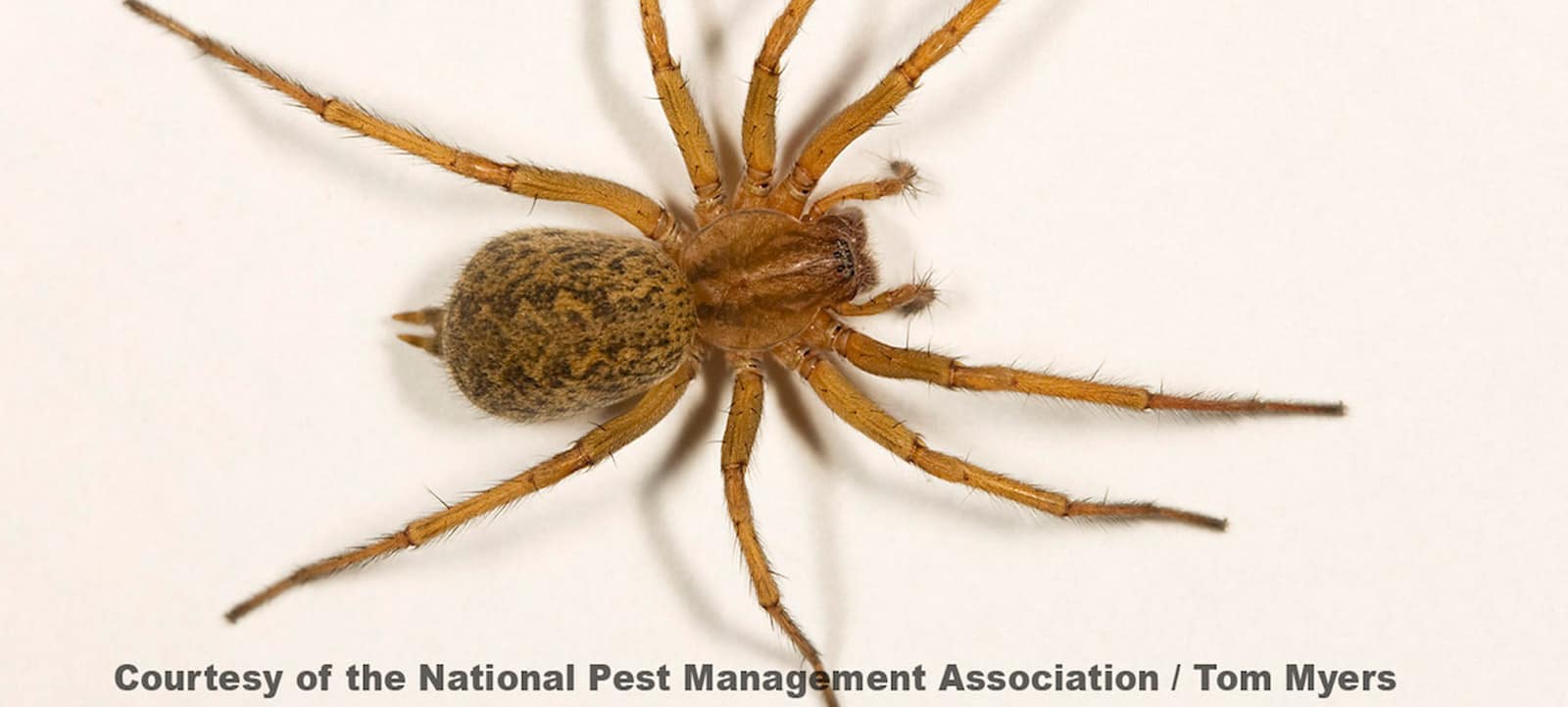
  • Hobo Spider (often feared, rarely bites)

Damage to Homes

  • Carpenter ants tunnel through wood, weakening walls and frames
  • Odorous ants create trails that are hard to eliminate
  • Spiders, while not destructive, create webs and spark fear

Ants are more destructive than spiders, but still less costly than rodents — unless it’s a full-blown carpenter ant infestation.

Health Risks

  • Ants: Can contaminate food, especially in kitchens
  • Spiders: Most bites are harmless, though hobo spiders have a scary reputation (overhyped)

Unlike rodents, insects rarely spread disease — but they still cause stress and can trigger phobias in many homeowners.


Infestation Behavior

  • Ants form massive colonies and reappear if not completely eradicated
  • Spiders tend to be solitary, but reproduce in dark, undisturbed areas

Head-to-Head: Rodents vs. Insects

Let’s break it down point by point:

Factor Rodents (Rats & Mice) Insects (Ants & Spiders)
Property Damage High – wires, insulation, structure Medium – mostly carpenter ants
Health Risks High – diseases, contamination Low – mostly nuisance or mild food risk
Infestation Rate Rapid breeders, hidden nests Ants = fast colonies, Spiders = slow
Creep Factor High – especially in walls/ceilings Also high – spiders trigger phobias
Cost of Treatment Often higher – includes exclusion work Often lower – unless dealing with ants
Verdict:

Rodents pose a greater risk overall — they damage more, cost more, and carry more serious health concerns.

That said, carpenter ants can rival them in damage if left untreated, and spiders, while rarely harmful, are still one of the top pest fears in the Pacific Northwest.

How to Keep Pests Out of Your Seattle Home

Whether it’s rats in your attic or ants in your pantry, prevention is key. Here’s what Seattle homeowners should do:

  • Seal gaps around foundations, vents, and pipes
  • Keep food sealed (even pet food)
  • Fix leaks and moisture issues (especially in basements)
  • Trim vegetation near the foundation
  • Clean regularly, especially under appliances and furniture

When to Call the Pros

If you’ve heard scratching in the walls, spotted ant trails, or noticed droppings — it’s time to bring in the experts. DIY solutions rarely solve the root problem.

At Eagle Pest Eliminators, we offer:

  • Targeted treatment for both rodents and insects
  • Long-term prevention strategies
  • Friendly, local technicians who understand Seattle homes

Final Thoughts

When it comes to pests in Seattle, rats and mice are notorious for destruction and disease. But ants and spiders can cause just as much nuisance and fear for local homeowners. If you’re unsure what’s lurking in your walls, it’s always best to act early—before a small issue turns into a costly infestation. We hope this has given you a clearer understanding of common Seattle pests to watch out for.

Let Eagle Pest Eliminators help you reclaim your space — from attic to basement.

Contact EPE for best Pest Control and Seattle Exterminator